Machine Learning Notebook

Data Augmentations for n-Dimensional Image Input to CNNs
One of the greatest limiting factors for training effective deep learning frameworks is the availability, quality and organisation of the training data. To be good at classification tasks, we need to show our CNNs etc. as many examples as we possibly can. However, this is not always possible especially in situations where the training data is hard to collect e.g. medical image data. In this post, we will learn how to apply data augmentation strategies to n-Dimensional images get the most of our limited number of examples.
Modifying the Terminal Prompt for Sanity

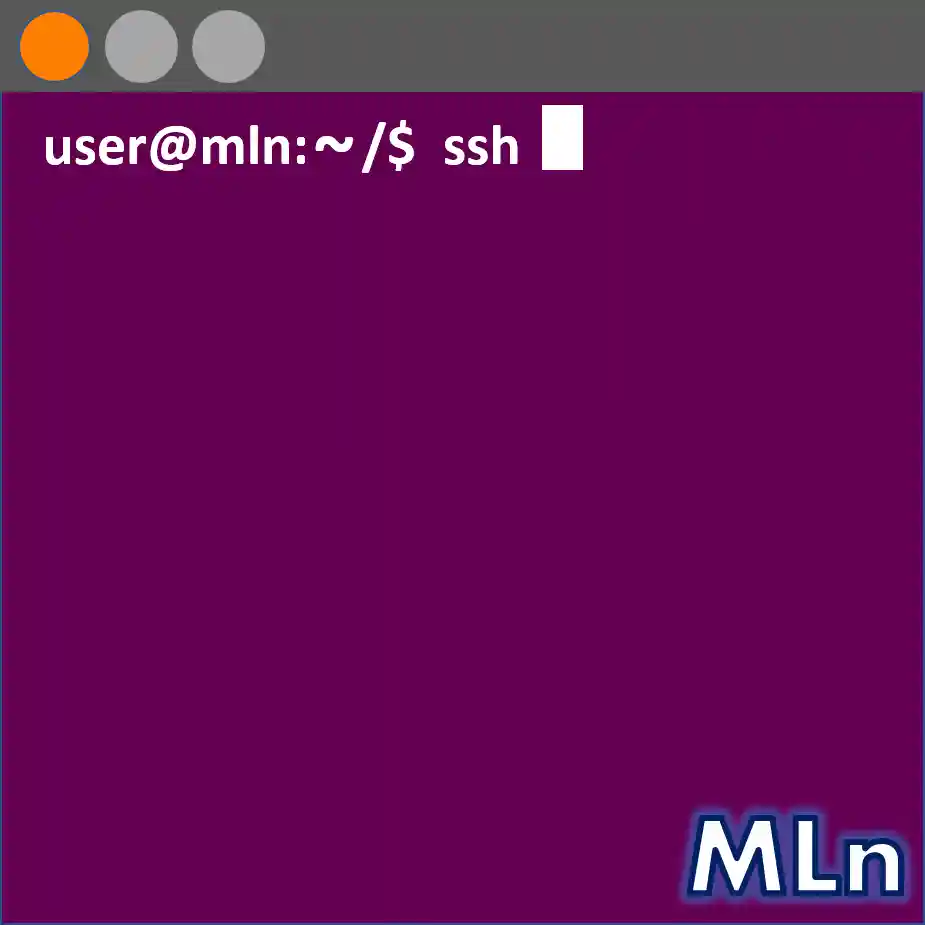
If you’re working with more than one computer at a time, then you’re probably using some form of remote access framework - most likely ssh. This is common in machine learning where our scripts are run on some other host with more capabilities. In this post we’ll look at how to modify the terminal prompt layout and colours to give us information we need at a glance: the current user; whether they’re root; what computer we’re working on; what folder in and the time that the last command was given.

Generative Adversarial Network (GAN) in TensorFlow - Part 5

This is the final part in our series on Generative Adversarial Networks (GAN). We will write our training script and look at how to run the GAN. We will also take a look at the results we get out. Can you tell the difference between the real and generated faces?

Generative Adversarial Network (GAN) in TensorFlow - Part 4

Now that we’re able to import images into our network, we really need to build the GAN iteself. This tuorial will build the GAN class including the methods needed to create the generator and discriminator. We’ll also be looking at some of the data functions needed to make this work.