Rameen Abdal
About me
Education and Training
 Postdoc at SCI Lab
Stanford University
2023 - 2024
 Ph.D. in Computer Science
KAUST, Visual Computing Center
2020 - 2023
MS in Computer Science
KAUST, Visual Computing Center
2018 - 2020
 B.Tech in ECE
NIT Srinagar
2014 - 2018
Research Experience
 Snap Inc.
Research Scientist, Palo Alto, California, USA
September 2024 - present
Snap Research
Research Intern @ Creative Vision, Los Angeles, California, USA
June 2022 - Oct 2022
 Adobe Research
Collaborator (Remote), London, UK
March 2020 - May 2022
Publications
2026
2023 - 2025

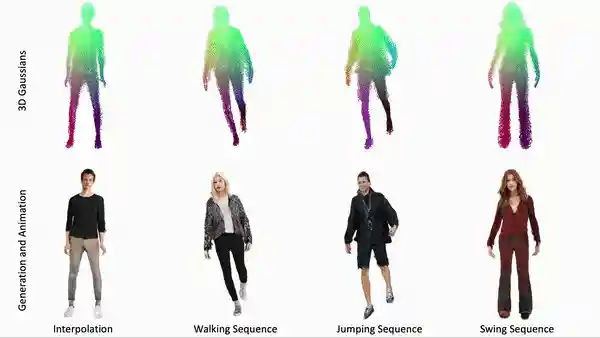
Gaussian Shell Maps for Efficient 3D Human Generation
Rameen Abdal*,
Wang Yifan*,
Zifan Shi*,
Yinghao Xu,
Ryan Po,
Zhengfei Kuang,
Qifeng Chen,
Dit-Yan Yeung,
Gordon Wetzstein
Stanford University, HKUST
Proc. IEEE Conference on Computer Vision and Pattern Recognition (CVPR), 2024
paper
suppl.
2022
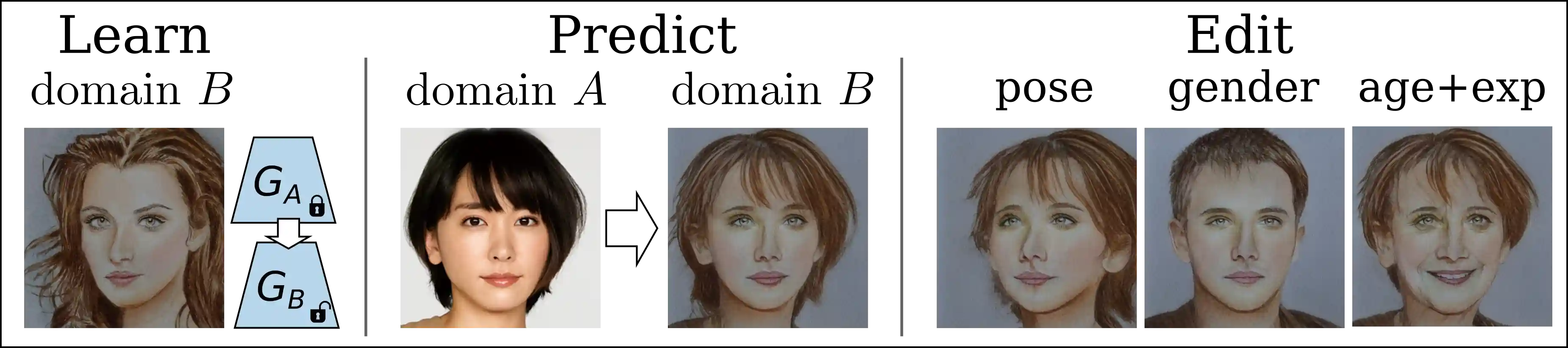
Mind the Gap: Domain Gap Control for Single Shot Domain Adaptation for Generative Adversarial Networks
Peihao Zhu,
Rameen Abdal,
John Femiani,
Peter Wonka
KAUST, Miami University
International Conference on Learning Representations (ICLR), 2022
paper
code
suppl.
2021
2020
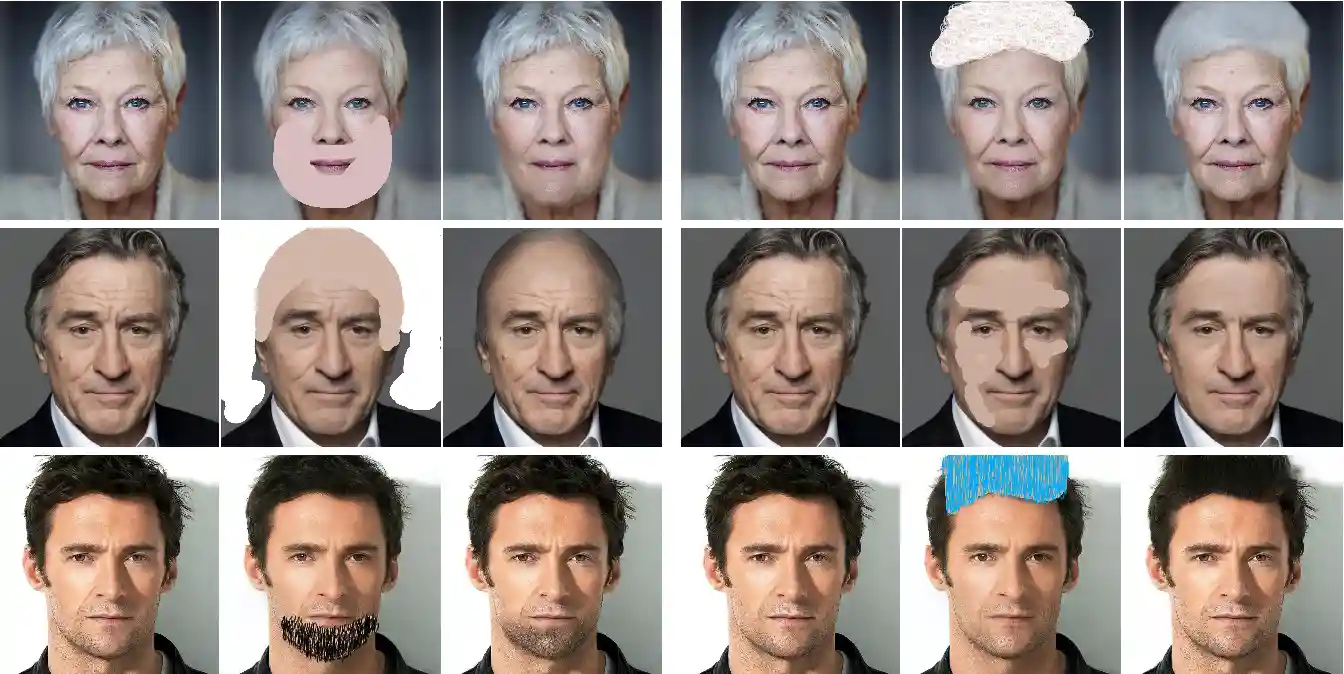
Image2StyleGAN++: How to Edit the Embedded Images?
Rameen Abdal,
Yipeng Qin,
Peter Wonka
KAUST
Proc. IEEE Conference on Computer Vision and Pattern Recognition (CVPR), 2020
paper
suppl.
2019
Image2StyleGAN: How to Embed Images into the StyleGAN Latent Space?
Rameen Abdal,
Yipeng Qin,
Peter Wonka
KAUST
Proc. IEEE International Conference on Computer Vision (ICCV Oral), 2019
paper
suppl.

Patents
Avatar Generation According To Artistic Styles
Rameen Abdal, Menglei Chai, Hsin-Ying Lee, Aliaksandr Siarohin, Sergey Tulyakov, Peihao Zhu
US Patent
link
Committee and Reviewer
SIGGRAPH ASIA 25, 26 (TPC) | SIGGRAPH 26 (TPC) | EUROGRAPHICS 24 (IPC) | ICML 2024 | TOG | TVCG | TPAMI | AAAI 22-24 | NEURIPS 23-25 | ICLR 24-26 | CVPR 21-25 | ICCV 21/23/25 | ECCV 22/24/26 | SIGGRAPH 21-25 | SIGGRAPH ASIA 21-24
Talks
Stanford Computational Imaging Lab, 2022
EXTRACTING SEMANTICS, GEOMETRY, AND APPEARANCE USING GANS
Stanford University, USA
Rising Stars in AI Symposium (organized by Jurgen Schmidhuber), 2022
EXTRACTING SEMANTICS, GEOMETRY, AND APPEARANCE USING GANS
KAUST, KSA
Adobe Research, 2022
EXTRACTING SEMANTICS, GEOMETRY, AND APPEARANCE USING STYLEGAN
San Jose, USA
Ethics and Social Impact
The advancements in generative AI, including personalized video generation, bring remarkable opportunities for creativity, education, entertainment, and other constructive applications. However, these capabilities also come with ethical challenges that must be acknowledged. The potential misuse of this technology to create deepfakes, manipulate identities, or generate misleading content is a serious concern. In our work, we use celebrity images/ video footage strictly under the fair use doctrine i.e. exclusively for purposes of research, commentary, and analysis. Additionally, biases inherent in generative models might result in unfair or stereotypical representations, further emphasizing the need for responsible development and deployment practices. We strongly emphasize that such technology must be used ethically and responsibly. As researchers, we do not condone any misuse of generative AI for malicious purposes, including spreading misinformation or creating harmful content. Instead, we advocate for its application in areas like education, storytelling, virtual production, and accessibility.
Contact
Address
Palo Alto
Email
rameen.abdal@gmail.com
rabdal@snap.com