avert
avert
to turn away or aside: avert one’s eyes; ward off: to avert evil; prevent: avert an accident
Abused, Confused, & Misused Words by Mary Embree Copyright © 2007, 2013 by Mary Embree
a·vert
(ə-vûrt′)tr.v. a·vert·ed, a·vert·ing, a·verts
1. To turn away: avert one's eyes.
2. To keep from happening; prevent: averted an accident by turning sharply. See Synonyms at prevent.
[Middle English averten, from Old French avertir, from Latin āvertere : ā-, ab-, away from; see ab-1 + vertere, to turn; see wer- in Indo-European roots.]
a·vert′i·ble, a·vert′a·ble adj.
American Heritage® Dictionary of the English Language, Fifth Edition. Copyright © 2016 by Houghton Mifflin Harcourt Publishing Company. Published by Houghton Mifflin Harcourt Publishing Company. All rights reserved.
avert
(əˈvɜːt)vb (tr)
1. to turn away or aside: to avert one's gaze.
2. to ward off; prevent from occurring: to avert danger.
[C15: from Old French avertir, from Latin āvertere; see averse]
aˈvertible, aˈvertable adj
Collins English Dictionary – Complete and Unabridged, 12th Edition 2014 © HarperCollins Publishers 1991, 1994, 1998, 2000, 2003, 2006, 2007, 2009, 2011, 2014
a•vert
(əˈvɜrt)v.t.
1. to turn away or aside: to avert one's eyes.
2. to ward off; prevent: to avert an accident.
[1400–50; late Middle English < Middle French avertir « Latin āvertere=ā- a-4 + vertere to turn]
a•vert′er, n.
a•vert′i•ble, a•vert′a•ble, adj.
Random House Kernerman Webster's College Dictionary, © 2010 K Dictionaries Ltd. Copyright 2005, 1997, 1991 by Random House, Inc. All rights reserved.
avert
- Etymologically, it means "to turn away": blows can be averted, but not pain; a snub can be averted, but not a humiliation; violence can be averted, but not damage.See also related terms for snub.
Farlex Trivia Dictionary. © 2012 Farlex, Inc. All rights reserved.
avert
Past participle: averted
Gerund: averting
| Imperative |
|---|
| avert |
| avert |
| Present |
|---|
| I avert |
| you avert |
| he/she/it averts |
| we avert |
| you avert |
| they avert |
| Preterite |
|---|
| I averted |
| you averted |
| he/she/it averted |
| we averted |
| you averted |
| they averted |
| Present Continuous |
|---|
| I am averting |
| you are averting |
| he/she/it is averting |
| we are averting |
| you are averting |
| they are averting |
| Present Perfect |
|---|
| I have averted |
| you have averted |
| he/she/it has averted |
| we have averted |
| you have averted |
| they have averted |
| Past Continuous |
|---|
| I was averting |
| you were averting |
| he/she/it was averting |
| we were averting |
| you were averting |
| they were averting |
| Past Perfect |
|---|
| I had averted |
| you had averted |
| he/she/it had averted |
| we had averted |
| you had averted |
| they had averted |
| Future |
|---|
| I will avert |
| you will avert |
| he/she/it will avert |
| we will avert |
| you will avert |
| they will avert |
| Future Perfect |
|---|
| I will have averted |
| you will have averted |
| he/she/it will have averted |
| we will have averted |
| you will have averted |
| they will have averted |
| Future Continuous |
|---|
| I will be averting |
| you will be averting |
| he/she/it will be averting |
| we will be averting |
| you will be averting |
| they will be averting |
| Present Perfect Continuous |
|---|
| I have been averting |
| you have been averting |
| he/she/it has been averting |
| we have been averting |
| you have been averting |
| they have been averting |
| Future Perfect Continuous |
|---|
| I will have been averting |
| you will have been averting |
| he/she/it will have been averting |
| we will have been averting |
| you will have been averting |
| they will have been averting |
| Past Perfect Continuous |
|---|
| I had been averting |
| you had been averting |
| he/she/it had been averting |
| we had been averting |
| you had been averting |
| they had been averting |
| Conditional |
|---|
| I would avert |
| you would avert |
| he/she/it would avert |
| we would avert |
| you would avert |
| they would avert |
| Past Conditional |
|---|
| I would have averted |
| you would have averted |
| he/she/it would have averted |
| we would have averted |
| you would have averted |
| they would have averted |
Collins English Verb Tables © HarperCollins Publishers 2011
ThesaurusAntonymsRelated WordsSynonymsLegend:
| Verb | 1. | 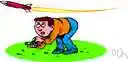 avert - prevent the occurrence of; prevent from happening; "Let's avoid a confrontation"; "head off a confrontation"; "avert a strike" avert - prevent the occurrence of; prevent from happening; "Let's avoid a confrontation"; "head off a confrontation"; "avert a strike"foreclose, forestall, preclude, prevent, forbid - keep from happening or arising; make impossible; "My sense of tact forbids an honest answer"; "Your role in the projects precludes your involvement in the competitive project" |
| 2. |  avert - turn away or aside; "They averted their eyes when the King entered" avert - turn away or aside; "They averted their eyes when the King entered"turn - change orientation or direction, also in the abstract sense; "Turn towards me"; "The mugger turned and fled before I could see his face"; "She turned from herself and learned to listen to others' needs" |
Based on WordNet 3.0, Farlex clipart collection. © 2003-2012 Princeton University, Farlex Inc.
avert
Collins Thesaurus of the English Language – Complete and Unabridged 2nd Edition. 2002 © HarperCollins Publishers 1995, 2002
avert
verb1. To change the direction or course of:
2. To prohibit from occurring by advance planning or action:
The American Heritage® Roget's Thesaurus. Copyright © 2013, 2014 by Houghton Mifflin Harcourt Publishing Company. Published by Houghton Mifflin Harcourt Publishing Company. All rights reserved.
Translations
يَتَجَنَّب ، يَمْنَع، يَتَفادىيُحَوِّل بَصَرَه
odvrátitzamezit
afværgeforhindre
elfordít
beina burtkoma í veg fyrir
išvengtinukreiptinusukti
novērst
başka tarafa çevirmekönlemekönüne geçmek
avert
[əˈvɜːt] VT
1. (= turn away) [+ eyes, thoughts] → apartar (from de) [+ suspicion] → desviar (from de) [+ possibility] → evitar
2. (= prevent) [+ accident, danger etc] → prevenir
3. (= parry) [+ blows] → desviar
Collins Spanish Dictionary - Complete and Unabridged 8th Edition 2005 © William Collins Sons & Co. Ltd. 1971, 1988 © HarperCollins Publishers 1992, 1993, 1996, 1997, 2000, 2003, 2005
Collins English/French Electronic Resource. © HarperCollins Publishers 2005
avert
Collins German Dictionary – Complete and Unabridged 7th Edition 2005. © William Collins Sons & Co. Ltd. 1980 © HarperCollins Publishers 1991, 1997, 1999, 2004, 2005, 2007
Collins Italian Dictionary 1st Edition © HarperCollins Publishers 1995
avert
(əˈvəːt) verb1. to turn away, especially one's eyes. She averted her eyes from the dead animal.
2. to prevent. to avert disaster.
Kernerman English Multilingual Dictionary © 2006-2013 K Dictionaries Ltd.