knife
knife
(nīf)n. pl. knives (nīvz)
1. A cutting instrument consisting of a sharp blade attached to a handle.
2. A cutting edge; a blade.
v. knifed, knif·ing, knifes
v.tr.
1. To use a knife on, especially to stab; wound with a knife.
2. Informal To betray or attempt to defeat by underhand means.
v.intr.
To cut or slash a way through something with or as if with a knife: The boat knifed through the waves.
under the knife Informal
Undergoing surgery.
[Middle English knif, from Old English cnīf, from Old Norse knīfr.]
knif′er n.
American Heritage® Dictionary of the English Language, Fifth Edition. Copyright © 2016 by Houghton Mifflin Harcourt Publishing Company. Published by Houghton Mifflin Harcourt Publishing Company. All rights reserved.
knife
(naɪf)n, pl knives (naɪvz)
1. (Cookery) a cutting instrument consisting of a sharp-edged often pointed blade of metal fitted into a handle or onto a machine
2. (Arms & Armour (excluding Firearms)) a similar instrument used as a weapon
3. have one's knife in someone to have a grudge against or victimize someone
4. twist the knife to make a bad situation worse in a deliberately malicious way
5. the knives are out for someone Brit people are determined to harm or put a stop to someone: the knives are out for Stevens.
6. under the knife undergoing a surgical operation
vb (tr)
7. to cut, stab, or kill with a knife
8. to betray, injure, or depose in an underhand way
[Old English cnīf; related to Old Norse knīfr, Middle Low German knīf]
ˈknifeˌlike adj
ˈknifer n
Collins English Dictionary – Complete and Unabridged, 12th Edition 2014 © HarperCollins Publishers 1991, 1994, 1998, 2000, 2003, 2006, 2007, 2009, 2011, 2014
knife
(naɪf)n., pl. knives (naɪvz)
v. knifed, knif•ing. n.
1. an instrument for cutting, consisting of a sharp-edged metal blade fitted with a handle.
2. a knifelike weapon; dagger or short sword.
3. any blade for cutting, as in a tool or machine.
v.t.4. to apply a knife to; cut, stab, etc., with a knife.
5. to attempt to defeat or undermine in a secret or underhanded way.
v.i.6. to move or cleave through something with or as if with a knife: The ship knifed through the sea.
Idioms:under the knife, undergoing surgery.
[before 1100; Middle English knif, Old English cnīf, or < Old Norse knīfr, c. Old Frisian, Middle Low German knīf]
knife′like`, adj.
knif′er, n.
Random House Kernerman Webster's College Dictionary, © 2010 K Dictionaries Ltd. Copyright 2005, 1997, 1991 by Random House, Inc. All rights reserved.
knife
Past participle: knifed
Gerund: knifing
| Imperative |
|---|
| knife |
| knife |
| Present |
|---|
| I knife |
| you knife |
| he/she/it knifes |
| we knife |
| you knife |
| they knife |
| Preterite |
|---|
| I knifed |
| you knifed |
| he/she/it knifed |
| we knifed |
| you knifed |
| they knifed |
| Present Continuous |
|---|
| I am knifing |
| you are knifing |
| he/she/it is knifing |
| we are knifing |
| you are knifing |
| they are knifing |
| Present Perfect |
|---|
| I have knifed |
| you have knifed |
| he/she/it has knifed |
| we have knifed |
| you have knifed |
| they have knifed |
| Past Continuous |
|---|
| I was knifing |
| you were knifing |
| he/she/it was knifing |
| we were knifing |
| you were knifing |
| they were knifing |
| Past Perfect |
|---|
| I had knifed |
| you had knifed |
| he/she/it had knifed |
| we had knifed |
| you had knifed |
| they had knifed |
| Future |
|---|
| I will knife |
| you will knife |
| he/she/it will knife |
| we will knife |
| you will knife |
| they will knife |
| Future Perfect |
|---|
| I will have knifed |
| you will have knifed |
| he/she/it will have knifed |
| we will have knifed |
| you will have knifed |
| they will have knifed |
| Future Continuous |
|---|
| I will be knifing |
| you will be knifing |
| he/she/it will be knifing |
| we will be knifing |
| you will be knifing |
| they will be knifing |
| Present Perfect Continuous |
|---|
| I have been knifing |
| you have been knifing |
| he/she/it has been knifing |
| we have been knifing |
| you have been knifing |
| they have been knifing |
| Future Perfect Continuous |
|---|
| I will have been knifing |
| you will have been knifing |
| he/she/it will have been knifing |
| we will have been knifing |
| you will have been knifing |
| they will have been knifing |
| Past Perfect Continuous |
|---|
| I had been knifing |
| you had been knifing |
| he/she/it had been knifing |
| we had been knifing |
| you had been knifing |
| they had been knifing |
| Conditional |
|---|
| I would knife |
| you would knife |
| he/she/it would knife |
| we would knife |
| you would knife |
| they would knife |
| Past Conditional |
|---|
| I would have knifed |
| you would have knifed |
| he/she/it would have knifed |
| we would have knifed |
| you would have knifed |
| they would have knifed |
Collins English Verb Tables © HarperCollins Publishers 2011
ThesaurusAntonymsRelated WordsSynonymsLegend:
| Noun | 1. | 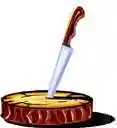 knife - edge tool used as a cutting instrument; has a pointed blade with a sharp edge and a handle knife - edge tool used as a cutting instrument; has a pointed blade with a sharp edge and a handlebarong - a knife resembling a cleaver; used in the Philippines blade - the flat part of a tool or weapon that (usually) has a cutting edge bolo knife, bolo - long heavy knife with a single edge; of Philippine origin Bowie knife - a stout hunting knife with a single edge bread knife - a knife used to cut bread butcher knife - a large sharp knife for cutting or trimming meat carving knife - a large knife used to carve cooked meat sheath knife, case knife - a knife with a fixed blade that is carried in a sheath cleaver, meat cleaver, chopper - a butcher's knife having a large square blade edge tool - any cutting tool with a sharp cutting edge (as a chisel or knife or plane or gouge) haft, helve - the handle of a weapon or tool hunting knife - a large sharp knife with a handle shaped to fit the grip knife blade - the blade of a knife letter opener, paper knife, paperknife - dull knife used to cut open the envelopes in which letters are mailed or to slit uncut pages of books linoleum cutter, linoleum knife - a knife having a short stiff blade with a curved point used for cutting linoleum parang - a stout straight knife used in Malaysia and Indonesia paring knife, parer - a small sharp knife used in paring fruits or vegetables pocket knife, pocketknife - a knife with a blade that folds into the handle; suitable for carrying in the pocket point - sharp end; "he stuck the point of the knife into a tree"; "he broke the point of his pencil" pruning knife - a knife with a curved or hooked blade slicer - knife especially designed for slicing particular foods, as cheese surgical knife - a very sharp knife used in surgery table knife - a knife used for eating at dining table |
| 2. | knife - a weapon with a handle and blade with a sharp point bayonet - a knife that can be fixed to the end of a rifle and used as a weapon dagger, sticker - a short knife with a pointed blade used for piercing or stabbing khukuri - a curved steel knife with a razor-sharp edge used in combat by the Gurkhas; has cultural and religious significance in Nepal machete, matchet, panga - a large heavy knife used in Central and South America as a weapon or for cutting vegetation shiv - a knife used as a weapon trench knife - a knife with a double-edged blade for hand-to-hand fighting weapon, weapon system, arm - any instrument or instrumentality used in fighting or hunting; "he was licensed to carry a weapon" yataghan - a long Turkish knife with a curved blade having a single edge tip, peak, point - a V shape; "the cannibal's teeth were filed to sharp points" | |
| 3. | 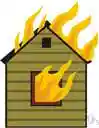 knife - any long thin projection that is transient; "tongues of flame licked at the walls"; "rifles exploded quick knives of fire into the dark" knife - any long thin projection that is transient; "tongues of flame licked at the walls"; "rifles exploded quick knives of fire into the dark"projection - any solid convex shape that juts out from something | |
| Verb | 1. | knife - use a knife on; "The victim was knifed to death" injure - cause injuries or bodily harm to poniard - stab with a poniard bayonet - stab or kill someone with a bayonet |
Based on WordNet 3.0, Farlex clipart collection. © 2003-2012 Princeton University, Farlex Inc.
knife
verb
Collins Thesaurus of the English Language – Complete and Unabridged 2nd Edition. 2002 © HarperCollins Publishers 1995, 2002
Translations
nůž
knivskære
tranĉilo
veitsileikatapuukkopuukottaaterä
nož
késmegkésel
hnífurstinga meî hnífi
ナイフ小刀短剣
칼
culter
nudurti peiliupeilis
nazisnodurt ar nazi
cuţit
nôž
nož
нож
knivskäradolk
มีด
dao
Collins Spanish Dictionary - Complete and Unabridged 8th Edition 2005 © William Collins Sons & Co. Ltd. 1971, 1988 © HarperCollins Publishers 1992, 1993, 1996, 1997, 2000, 2003, 2005
Collins English/French Electronic Resource. © HarperCollins Publishers 2005
Collins German Dictionary – Complete and Unabridged 7th Edition 2005. © William Collins Sons & Co. Ltd. 1980 © HarperCollins Publishers 1991, 1997, 1999, 2004, 2005, 2007
knife
[naɪf]
1. n (knives (pl)) (gen) → coltello (also penknife) → temperino
knife, fork and spoon → coperto
I can't wait to get my knife into him (fig) → non vedo l'ora di cavargli gli occhi
Collins Italian Dictionary 1st Edition © HarperCollins Publishers 1995
knife
(naif) – plural knives (naivz) – noun1. an instrument for cutting. He carved the meat with a large knife.
2. such an instrument used as a weapon. She stabbed him with a knife.
verbto stab with a knife. He knifed her in the back.
Kernerman English Multilingual Dictionary © 2006-2013 K Dictionaries Ltd.
knife
→ سِكِّينَةٌ nůž kniv Messer μαχαίρι cuchillo veitsi couteau nož coltello ナイフ 칼 mes kniv nóż faca нож kniv มีด bıçak dao 刀Multilingual Translator © HarperCollins Publishers 2009
English-Spanish Medical Dictionary © Farlex 2012
knife
n (pl knives) cuchillo
English-Spanish/Spanish-English Medical Dictionary Copyright © 2006 by The McGraw-Hill Companies, Inc. All rights reserved.