contents
related file
- cpython/Objects/classobject.c
- cpython/Include/classobject.h
memory layout
PyMethodObject represents the type method at the C level
class C(object):
    def f1(self, val):
        return val

>>> c = C()
>>> type(c.f1)
<class 'method'>

fields
The layout of c.f1

im_func
as you can see from the layout, field im_func stores the function object that implements the method
>>> C.f1
<function C.f1 at 0x10b80f040>
im_self
The field im_self stores the instance object this method is bound to
>>> c
<__main__.C object at 0x10b7cbcd0>
when you call
PyMethodObject delegates the real call to im_func with im_self as the first argument
static PyObject *
method_call(PyObject *method, PyObject *args, PyObject *kwargs)
{
    PyObject *self, *func;
    /* get im_self */
    self = PyMethod_GET_SELF(method);
    if (self == NULL) {
        PyErr_BadInternalCall();
        return NULL;
    }
    /* get im_func */
    func = PyMethod_GET_FUNCTION(method);
    /* call im_func with im_self as the first argument */
    return _PyObject_Call_Prepend(func, self, args, kwargs);
}
free_list
static PyMethodObject *free_list;
static int numfree = 0;
#ifndef PyMethod_MAXFREELIST
#define PyMethod_MAXFREELIST 256
#endif
free_list is a singly linked list. It's used for PyMethodObject to save malloc/free overhead.
The im_self field is used to chain the elements.
The PyMethodObject will be created when you try to access the bound-method, not when the instance is created
>>> c1 = C()
>>> id(c1)
4514815184
>>> c2 = C()
>>> id(c2)
4514815472
>>> id(c1.f1) # c1.f1 is created in this line, after this line, the reference count of c1.f1 becomes 0 and c1.f1 deallocated
4513259240
>>> id(c1.f1) # the id is resued
4513259240
>>> id(c2.f1)
4513259240
Now let's see an example of free_list
>>> c1_f1_1 = c1.f1
>>> c1_f1_2 = c1.f1
>>> id(c1_f1_1)
4529762024
>>> id(c1_f1_2)
4529849392
assume the free_list is empty now

>>> del c1_f1_1
>>> del c1_f1_2

>>> c1_f1_3 = c1.f1
>>> id(c1_f1_3)
4529849392

classmethod and staticmethod
Let's define an object with classmethod and staticmethod
class C(object):
    def f1(self, val):
        return val

    @staticmethod
    def fs():
        pass

    @classmethod
    def fc(cls):
        return cls

>>> c1 = C()
>>> type(c1.fs)
<class 'function'>
>>> type(c1.fc)
<class 'method'>
classmethod
the @classmethod keeps type of c1.fc as method
c1.fc is another instance of PyMethodObject, with im_func bind to the actual callable object, and im_self bind to the <class '__main__.C'>
>>> C
<class '__main__.C'>

How does classmethod work internally?
classmethod is a type in python3
typedef struct {
    PyObject_HEAD
    PyObject *cm_callable;
    PyObject *cm_dict;
} classmethod;

Let's see what's under the hood
fc = classmethod(lambda self : self)

class C(object):
    fc1 = fc

>>> cc = C()
>>> type(fc)
>>> <class 'classmethod'>
>>> type(cc.fc1)
>>> <class 'method'>

>>> fc.__dict__["b"] = "c"
>>> cc.fc1
<bound method <lambda> of <class '__main__.C'>>
We get a different result when accessing the same object in a different way. Why?
When you try to access fc1 in instance cc, the descriptor protocol will try several different paths to get the attribute in the following steps
- call
__getattribute__of the object C C.__dict__["fc1"]is a data descriptor?- yes, return
C.__dict__['fc1'].__get__(instance, Class) - no, return
cc.__dict__['fc1']if 'fc1' incc.__dict__elseC.__dict__['fc1'].__get__(instance, Class)if hasattr(C.__dict__['fc1'],__get__) elseC.__dict__['fc1']
- yes, return
- if not found in above steps, call
c.__getattr__("fc1")
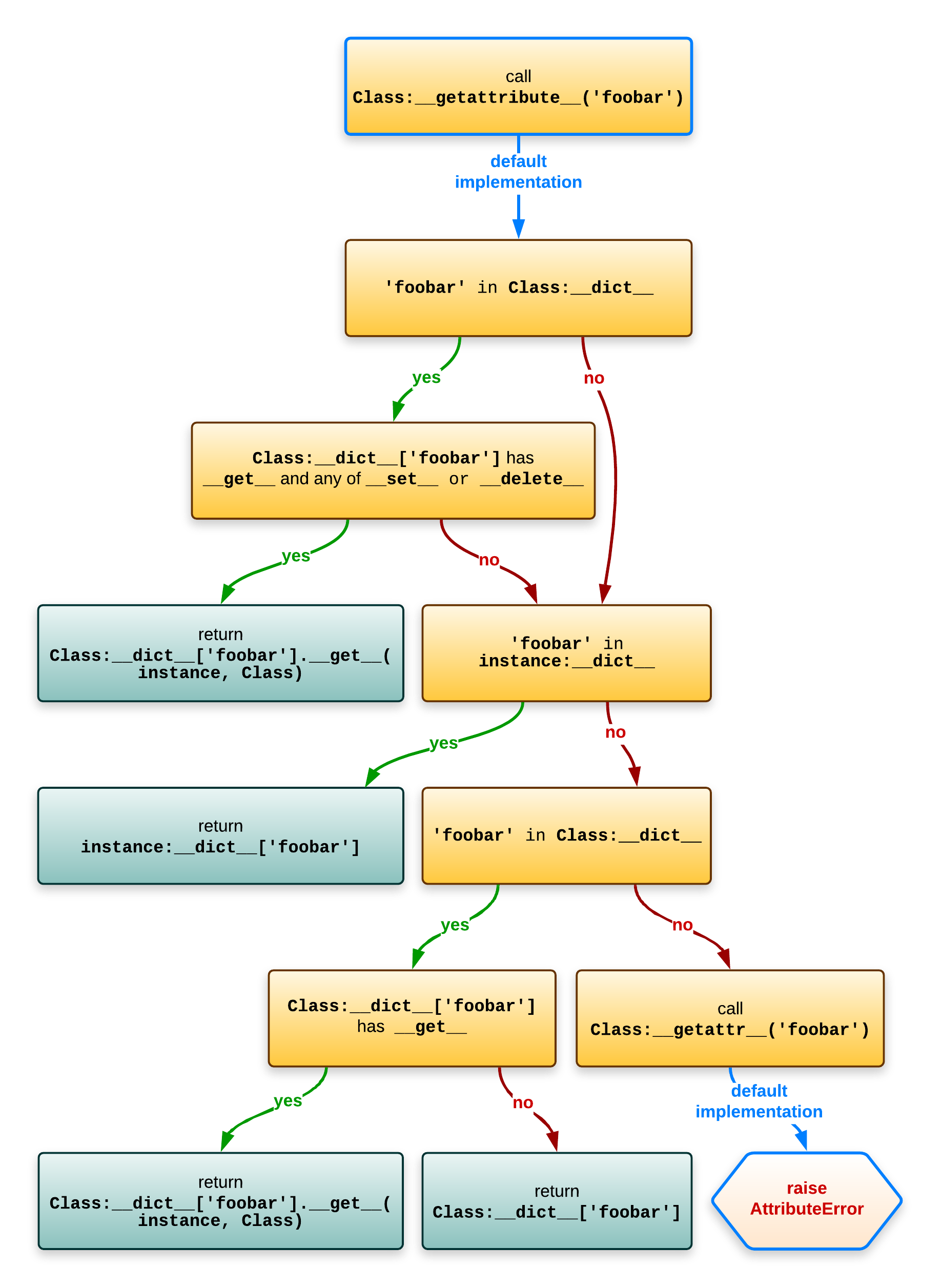
for more detail, please refer to this blog object-attribute-lookup or descr object

because classmethod implements __get__ and __set__, it's a data descriptor, when you try to access attribute cc.fc1, you will actually call fc1.__get__, and caller will get whatever it returns
We can see the __get__ function of the classmethod object (defined as cm_descr_get in C)
static PyObject *
cm_descr_get(PyObject *self, PyObject *obj, PyObject *type)
{
    classmethod *cm = (classmethod *)self;

    if (cm->cm_callable == NULL) {
        PyErr_SetString(PyExc_RuntimeError,
                        "uninitialized classmethod object");
        return NULL;
    }
    if (type == NULL)
        type = (PyObject *)(Py_TYPE(obj));
    return PyMethod_New(cm->cm_callable, type);
}

When you access fc1 via cc.fc1, the descriptor protocol will call the function above, which returns whatever is in cm_callable, wrapped by the PyMethod_New() function, which makes the returned object a new bound PyMethodObject
staticmethod
the @staticmethod changes type of c1.fs to function
>>> type(c1.fs)
<class 'function'>

typedef struct {
    PyObject_HEAD
    PyObject *sm_callable;
    PyObject *sm_dict;
} staticmethod;
This is the layout of the staticmethod object

fs = staticmethod(lambda : None)

class C(object):
    fs1 = fs

>>> fs.__dict__["a"] = "b"
>>> cc = C()
>>> type(fs)
>>> <class 'staticmethod'>
>>> type(cc.fs1)
>>> <class 'function'>

>>> cc.fs1
<function <lambda> at 0x1047d9f40>

We can see the __get__ function of the staticmethod object
static PyObject *
sm_descr_get(PyObject *self, PyObject *obj, PyObject *type)
{
    staticmethod *sm = (staticmethod *)self;

    if (sm->sm_callable == NULL) {
        PyErr_SetString(PyExc_RuntimeError,
                        "uninitialized staticmethod object");
        return NULL;
    }
    Py_INCREF(sm->sm_callable);
    return sm->sm_callable;
}

so, when you access fs1 by cc.fs1, the descriptor protocol happens again, C.__dict__["fs1"]__get__(instance, Class) returns the lambda function